


You know I love simple practices. This is one of the simplest, coursing down the centuries since, at least, these discourses in the Pāli Canon where the Buddha is in conversation with a guy called Saṅgārava. Now Saṅgārava seems to have been a stand-in or container for various questions and metaphors about water.
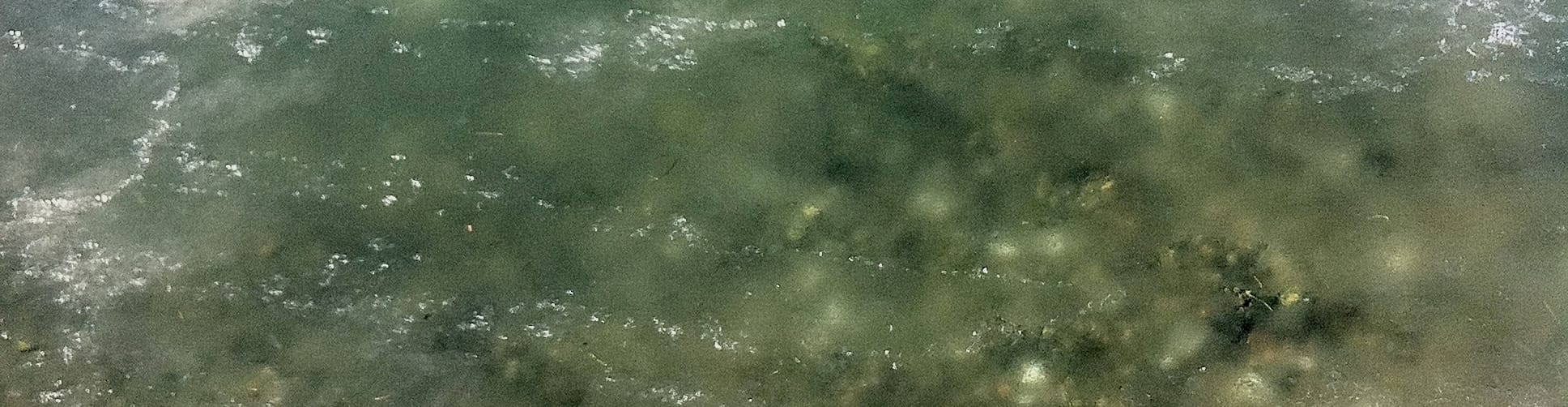
You might be thinking of that cliche about ‘mind like water’. Sure, but let’s ask: what kind of water, and in what way? Water as it changes in time and place and circumstance is an example of something that is always becoming otherwise. It has this in common with you, and me, and everything around us, and in us.
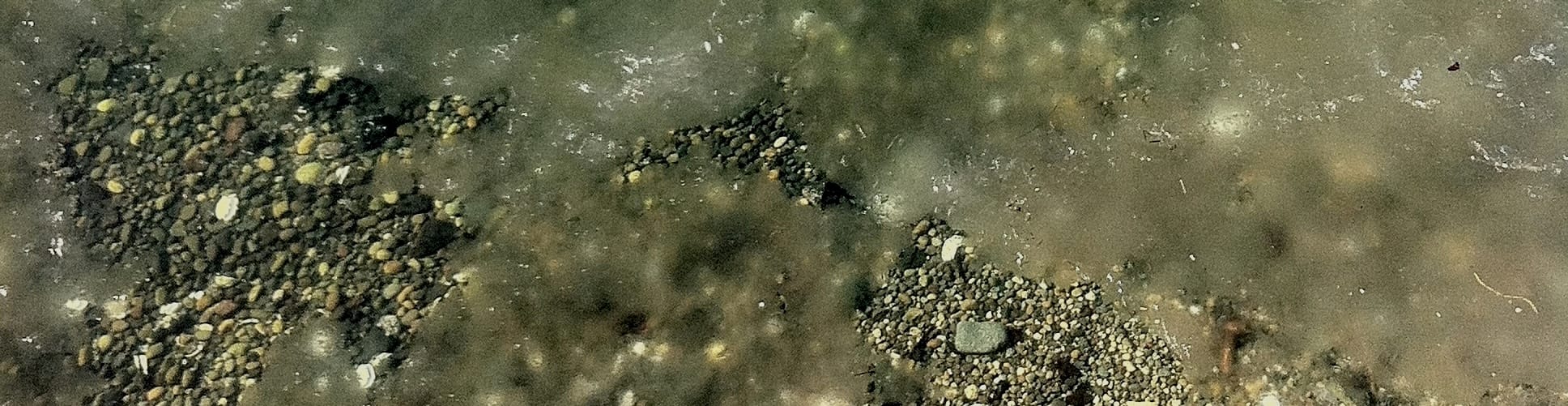
So the practice, as I’ve learned it from two different teachers at two different times, is this. Take a moment and notice your own awareness. What kind of water is this like? Perhaps still, or flowing, or murky, or raging, or a turbid estuary, a snowflake or an ice sheet, or overgrown with algae, or a trickle in a dried-up stream.
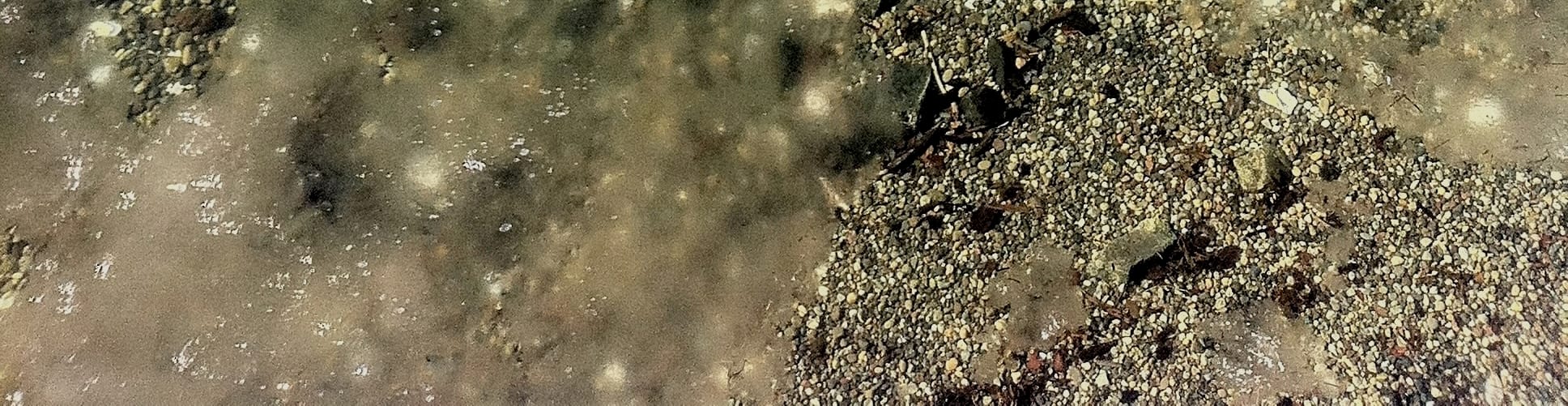
As you do this, there is no need to adjust, to evaluate, to search for reasons or explanations or blame. It is a practice of noticing, and noticing only—a chance to recall or identify one sensation that is most similar to another. Some qualities are more pleasant or useful than others. And whatever it is now, it will soon be otherwise.